AI agents for enterprises are evolving from experimental chatbots to industry-tailored autonomous workflows that orchestrate complex business processes with minimal human oversight. CTOs entering 2026 face a strategic imperative, build infrastructure and governance for specialized agents that deliver domain-specific value while managing new risks.
This shift toward AI orchestration and multi-agent architectures will redefine enterprise software, with 40% of applications embedding task-specific agents by year-end.
Why 2026 Is the Tipping Point for Industry-Specific AI Agent
From General-Purpose to Domain-Specialized
2026 marks the maturation of agentic AI, where generic LLMs give way to industry-specific agents trained on vertical data and regulations. Gartner forecasts that 80% of enterprise apps will embed agents, moving beyond simple automation to proactive decision-making and workflow coordination.
The Economic Imperative
Enterprises adopting these agents report 30-50% productivity gains and 20-40% cost reductions in targeted workflows. The competitive pressure is intense early adopters gain first-mover advantage in compliance-heavy sectors where custom agents handle complex rules that general models cannot.
Our engineers will audit your workflow and estimate time-to-value at no cost.
Claim your free audit
AI Agents Per Industry Use Case
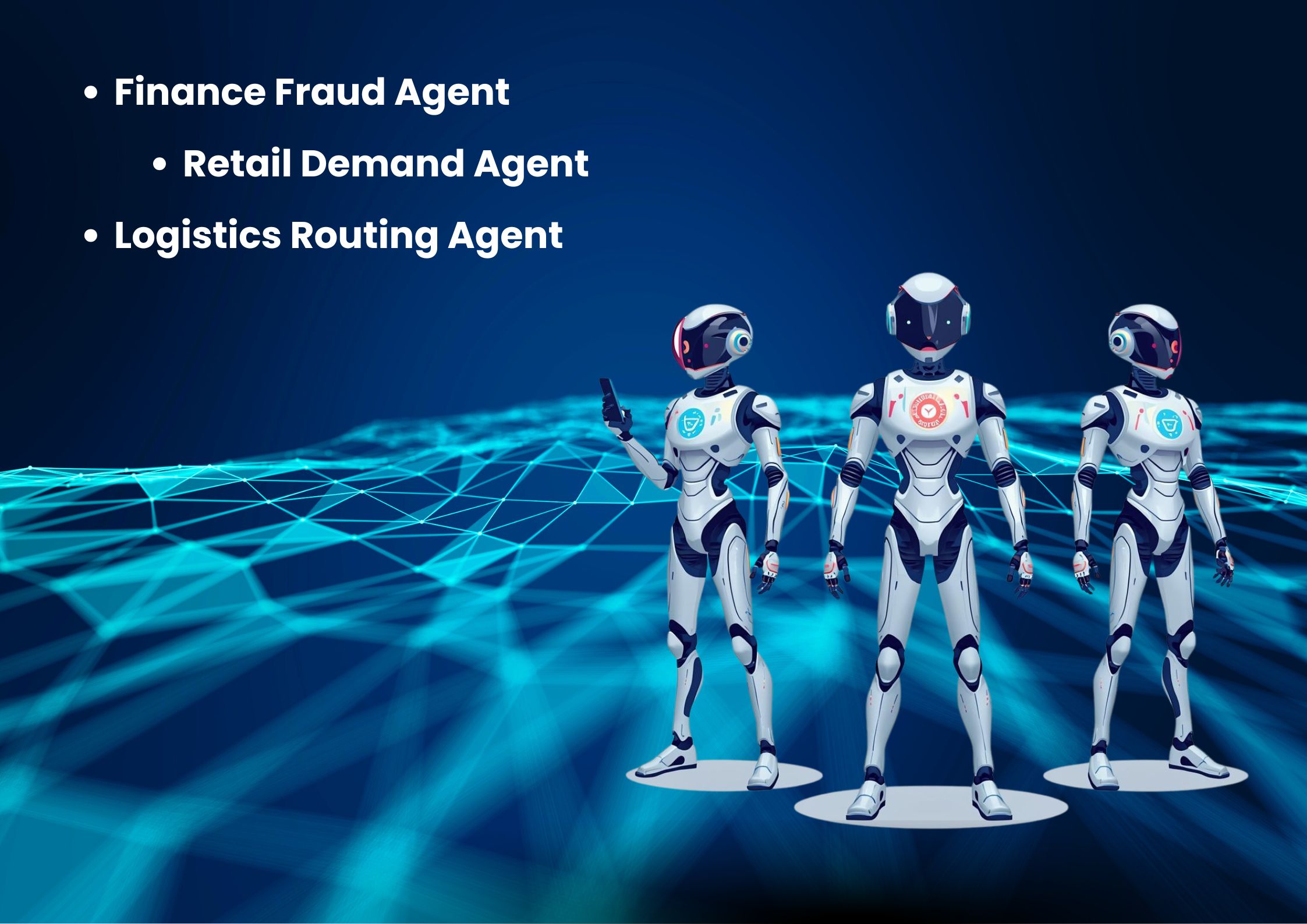
Finance - Fraud Detection and Compliance Agents
AI-powered fraud detection banking agents, developed through fintech development services, monitor transactions in real time by correlating signals across accounts, behavior patterns, and external threat intelligence to block suspicious activity autonomously. These agents integrate with core banking systems, executing holds or escalations while maintaining full audit trails for regulators.
Retail - Predictive Inventory and Pricing Agents
Predictive analytics for retail agents forecast demand at the SKU level, automatically adjusting reorder points, promotions, and pricing based on real-time sales, weather, and competitor data. Multi-agent architectures, supported by modern retail development solutions, coordinate across demand planning, fulfillment, and marketing to optimize omnichannel inventory without manual intervention.
Logistics – Route Optimization and Risk Agents
Implementing AI in logistics operations, autonomous agents predict carrier delays, reroute shipments, and negotiate with backup providers using real-time data from IoT sensors, weather, and port status as part of modern logistics and supply chain services. These agents orchestrate end-to-end supply chains, reducing delays by proactively managing disruptions.
Healthcare - Clinical Decision and Compliance Agents
Healthcare-specific agents, developed through healthcare development services, analyze patient data, lab results, and treatment guidelines to recommend next-best actions while ensuring HIPAA compliance through contextual permissions and audit logging. Multi-agent systems triage cases, coordinate with specialists, and update electronic health records autonomously.
We'll map the exact workflows from this article to your business - free, in 30 minutes.
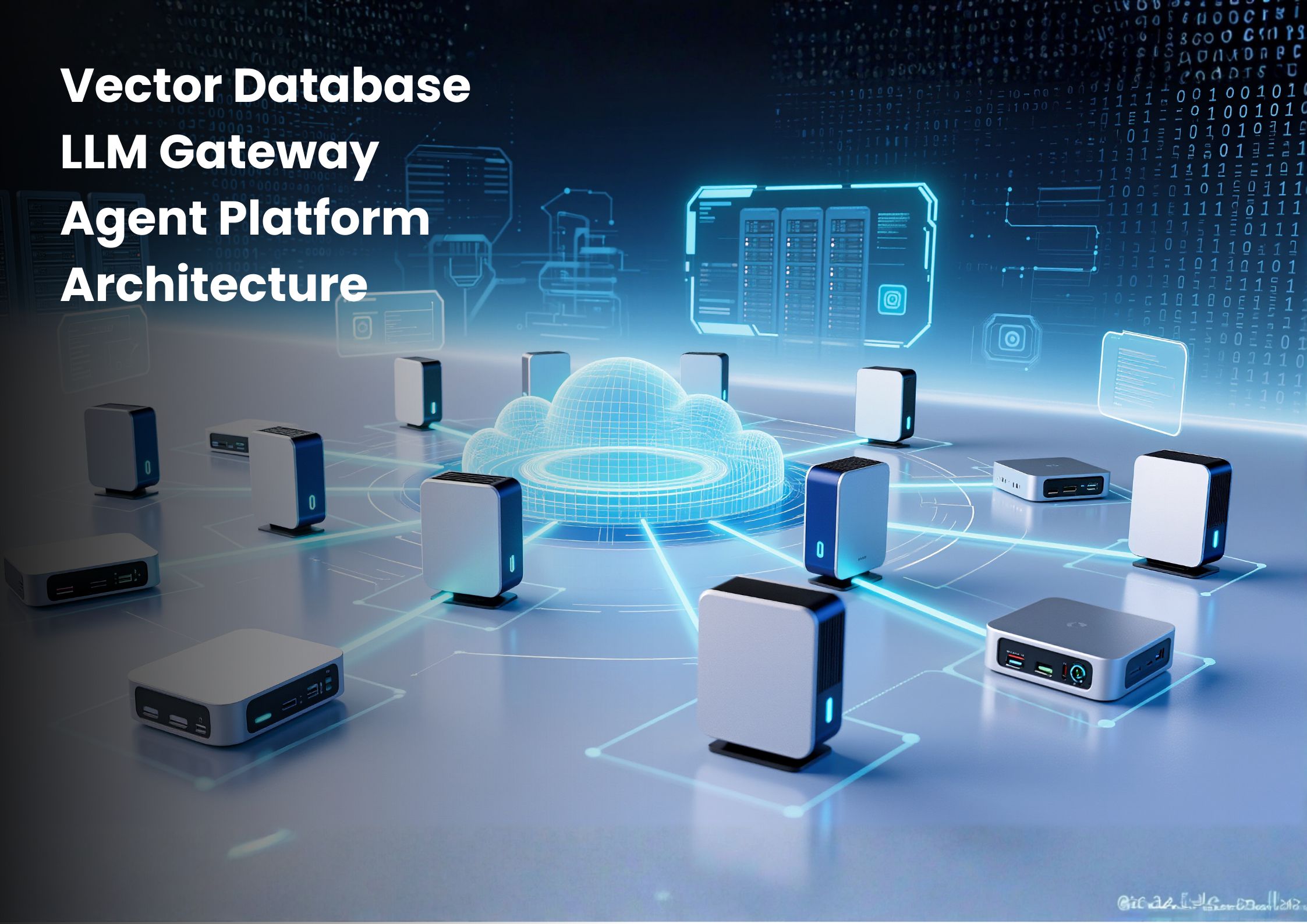
Infrastructure Needed: Vector DBs, LLM Gateways, and Agent Platforms
Vector Databases as Agent Memory
Industry agents require vector databases to store and retrieve domain-specific knowledge, embeddings from proprietary documents, and historical decisions for context-aware reasoning. These serve as long-term memory, enabling agents to learn from past interactions and maintain enterprise-specific context across sessions.
LLM Gateways for Multi-Model Orchestration
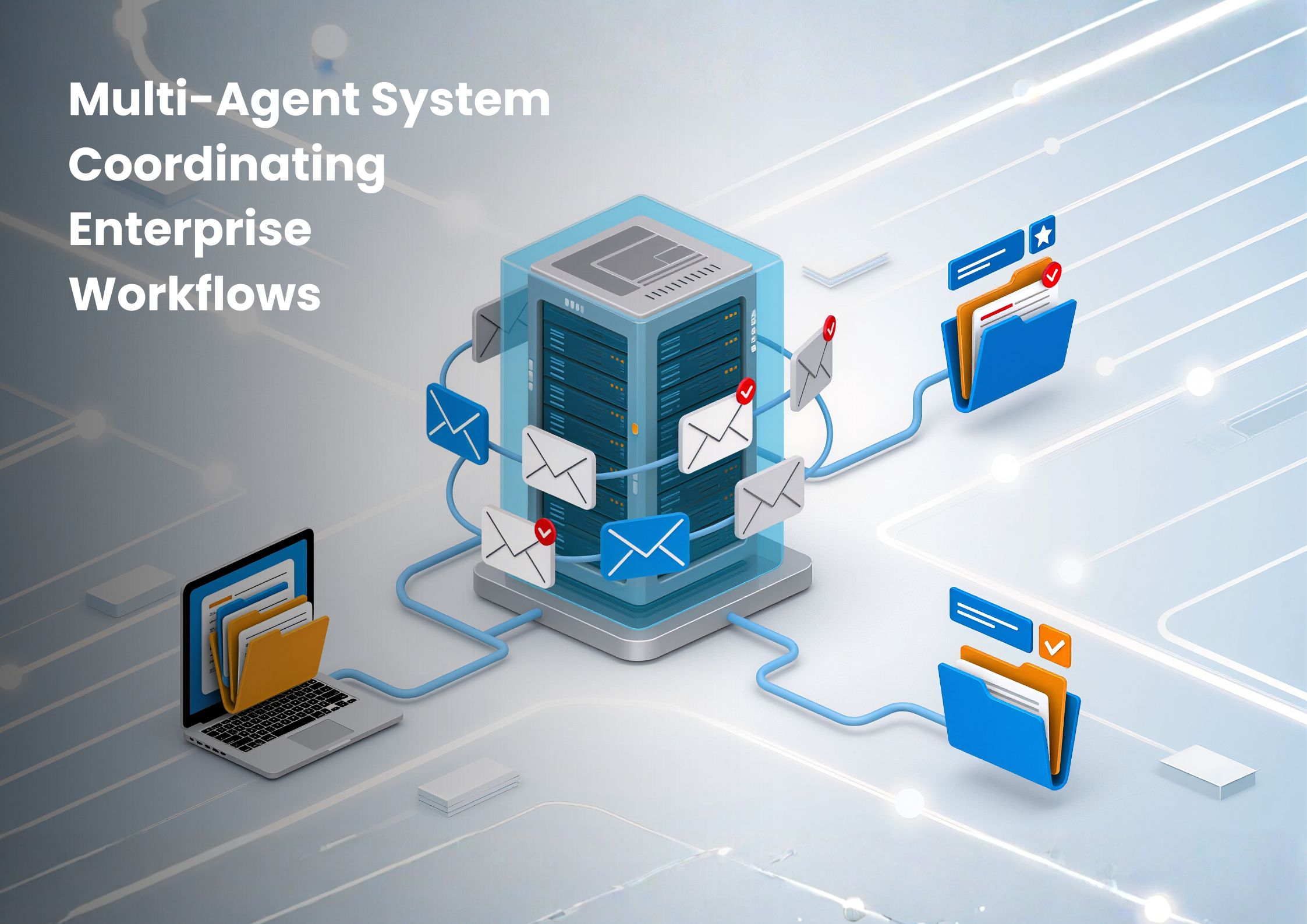
LLM gateways route requests to the optimal model (proprietary, open-source, or hosted) based on cost, latency, accuracy, and compliance requirements. They enable multi-agent architectures where specialized agents collaborate such as a fraud agent querying a compliance agent before approving a transaction.
Agentic Platforms and Tool Integration
Modern platforms provide low-code interfaces for building agents that interface with enterprise APIs, CRMs, ERPs, and third-party services. CTOs need scalable orchestration layers that handle agent coordination, state management, and failure recovery for production-grade deployments.
Also read: Retail Cloud Cost Optimization: 7 AI Strategies for CTOs
Security Considerations for Enterprise AI Agents
The Unique Risks of Autonomous Agents
96% of tech leaders see AI agents as a growing security risk due to their broad access and limited oversight. Agents can inadvertently expose credentials, execute unauthorized actions, or be manipulated into harmful behaviors without human intervention.
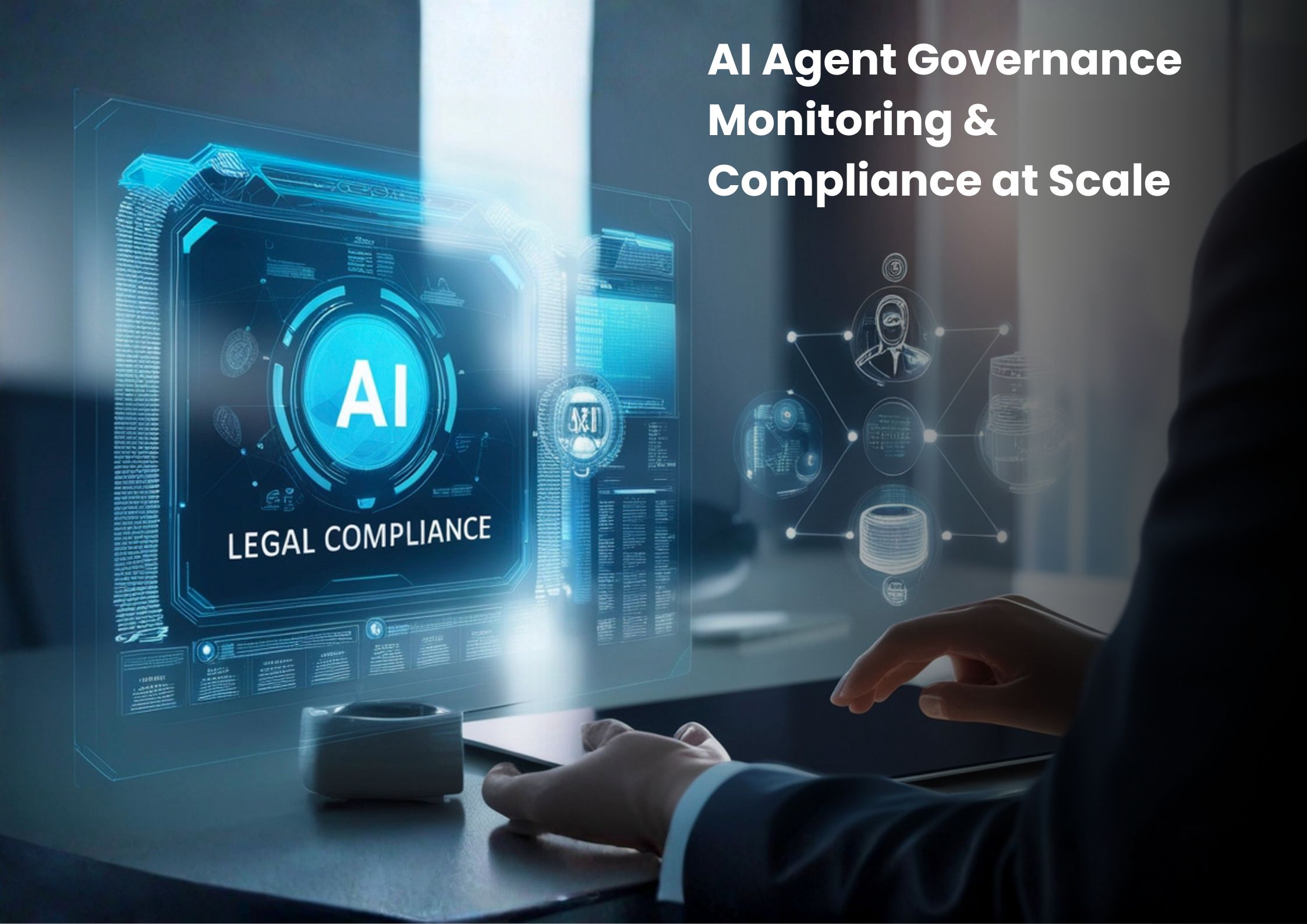
Identity-First Security and Governance
Treat agents as non-human identities with granular, contextual permissions that expire automatically. Context-aware authentication verifies not just identity but purpose and scope before granting access to systems or data.
Monitoring and Explainability
Continuous monitoring detects anomalous behavior, while audit trails capture every agent action for compliance and forensics. Responsible deployment includes human-in-the-loop for high-stakes decisions and rollback mechanisms for agent errors.
CTO Adoption Roadmap for Industry-Specific AI Agents
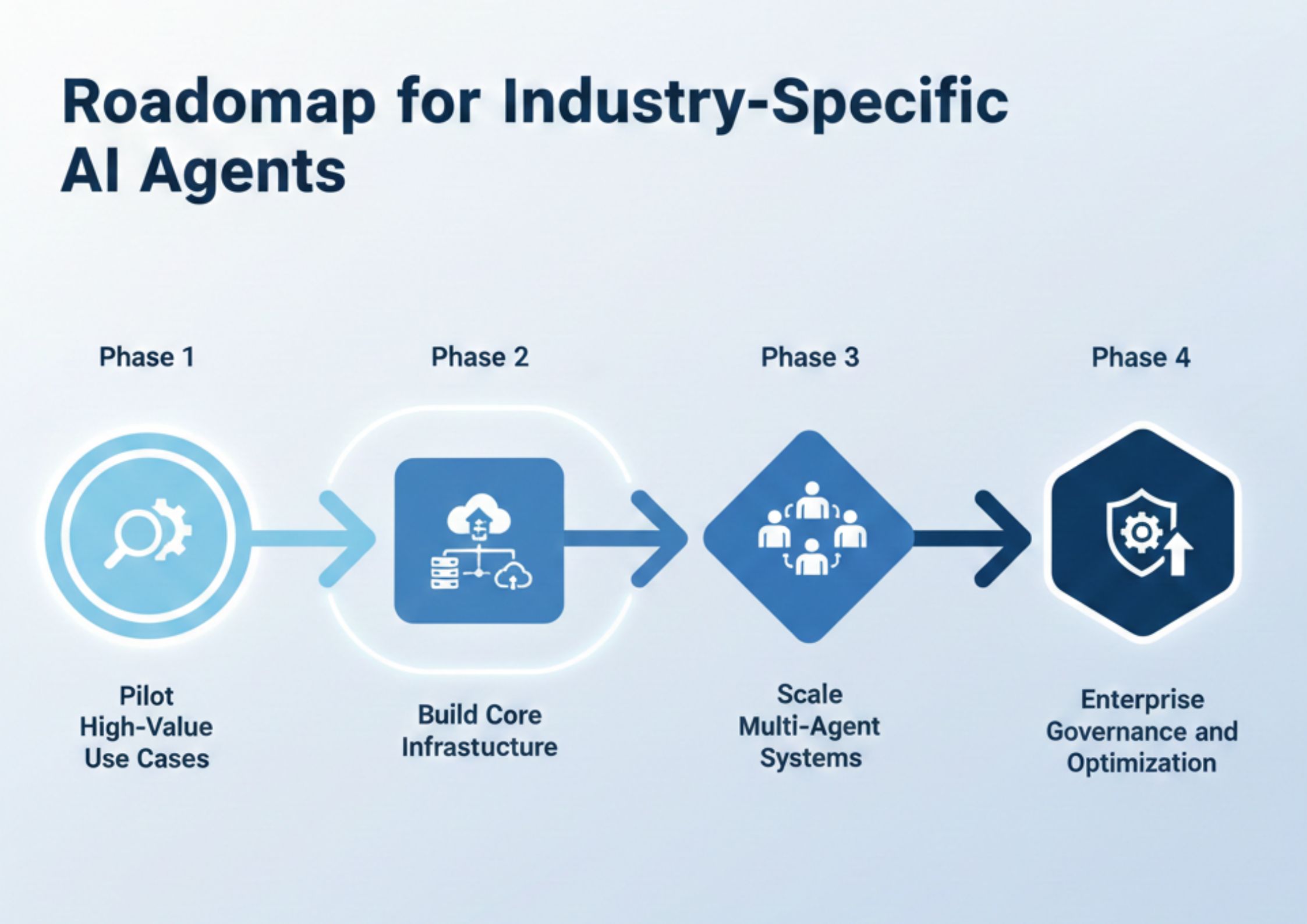
Phase 1 – Pilot High-Value Use Cases
Identify 2-3 mission-critical workflows where agents can deliver immediate ROI, such as fraud detection or demand forecasting. Start with single-agent proofs-of-concept using existing data and APIs.
Phase 2 – Build Core Infrastructure
Deploy vector databases, LLM gateways, and agent platforms with production-scale monitoring and security controls. Integrate AI model development and fine-tuning with prompt engineering services for LLMs to customize behavior.
Phase 3 – Scale Multi-Agent Systems
Transition to multi-agent architectures that orchestrate autonomous workflows across departments, backed by data-driven digital transformation strategy and generative AI consulting.
Phase 4 – Enterprise Governance and Optimization
Establish AI enablement services for ongoing governance, performance tuning, and compliance as agent adoption scales organization-wide.
Pace Wisdom Solutions accelerates this roadmap with expertise in AI agents for enterprises, autonomous workflows, and secure multi-agent architectures tailored to your industry.
Conclusion: Act Now or Fall Behind
2026 will separate enterprises that treat AI agents as strategic assets from those that view them as experimental toys. CTOs must prioritize infrastructure for vector databases, LLM orchestration, and secure multi-agent systems while addressing the governance challenges of autonomous workflows.
The window to build competitive advantage is closing fast. Partner with experts in AI development and AI enablement services to deploy industry-specific agents that drive real business outcomes securely and at scale.
You may also want to read